Featured
Table of Contents
The crossway of eating disorders and obsessive-compulsive condition stands for among the most challenging presentations in mental health treatment. These problems frequently share underlying patterns of inflexible thinking, anxiety-driven actions, and attempts to control uncertainty via ritualistic activities. For athletes, dancers, and individuals with nit-picker propensities, these conditions can become especially set, woven into identification and performance in ways that make recognition and therapy more complex.
Understanding the Eating Disorder-OCD Link
Eating problems and OCD share considerable neurobiological and emotional overlap. Both problems involve intrusive thoughts, compulsive habits, and increased stress and anxiety when routines are interrupted. Research suggests that about 40% of individuals with consuming problems also meet requirements for OCD, suggesting these conditions might stand for various expressions of comparable underlying vulnerabilities.
The connection in between these conditions frequently manifests as a vicious circle. Compulsive ideas about food, physique, or weight drive uncontrollable consuming actions, exercise rituals, or limiting patterns. These behaviors briefly decrease anxiousness, strengthening the cycle and making it gradually harder to break. With time, what started as efforts to manage anxiousness or accomplish particular objectives evolves right into a rigid system that controls every day life.
Consuming problem treatment that deals with these obsessive-compulsive attributes calls for specialized understanding. Common techniques to disordered consuming might miss the anxiety-driven systems maintaining habits, while typical OCD therapy may forget the body image and identity elements central to consuming disorders. Integrated therapy approaches acknowledge this complexity and address both the obsessive-compulsive patterns and the particular features of disordered consuming.
Practitioners focusing on this junction, such as those at Live Mindfully Psychotherapy, comprehend that efficient therapy has to attend to multiple layers all at once. This includes collaborating with the cognitive rigidity characteristic of both conditions, the underlying stress and anxiety driving actions, and the identity components that make modification feel threatening.
Consuming Disorders in Athletes and Dancers: A Special Challenge
Professional athletes and professional dancers face certain vulnerability to consuming conditions, with prevalence rates dramatically higher than in the basic populace. The emphasis on body composition, weight needs, and visual perfects in these areas creates an atmosphere where disordered eating can develop under the role of dedication or professionalism and reliability. What begins as "" clean consuming"" or "" optimal fueling"" can gradually progress into limiting consuming disorders that endanger both health and wellness and efficiency.
The athletic and dancing areas commonly stabilize behaviors that would certainly be recognized as disordered in various other contexts. Extended training sessions, stiff dish timing, obsessive body checking, and workout obsession may be deemed indicators of commitment instead of cautioning indications. This normalization makes it harder for athletes and dancers to identify when their connection with food and workout has actually gone across right into pathological territory.
Perfectionism, highly valued in athletic and artistic quests, acts as both a danger variable and maintaining system for eating conditions. The exact same top qualities that drive quality-- discipline, interest to information, high criteria-- can fuel obsessive patterns around food and body. Athletes and professional dancers usually are afraid that addressing their eating disorder will certainly jeopardize their performance, not recognizing that the problem itself is limiting their capacity with physiological deficiency and psychological fixation.
Specialized consuming disorder therapy for professional athletes and dancers must browse these special dynamics. Treatment strategies that recognize the individual's commitment to their sporting activity or art while resolving the unsafe patterns prove most effective. Therapists dealing with these populaces comprehend sport-specific pressures and can help clients develop much healthier partnerships with food and body without requiring them to desert their sports or creative pursuits.
OCD Therapy: Beyond Contamination Fears
While many associate OCD with contamination concerns and hand cleaning, the problem manifests in diverse means. Intrusive ideas about damage, sexual material, religious worries, or symmetry can be just as stressful. For individuals with consuming problems, OCD often includes obsessions about food, contamination issues relating to eating, or compulsions around exercise and body checking.
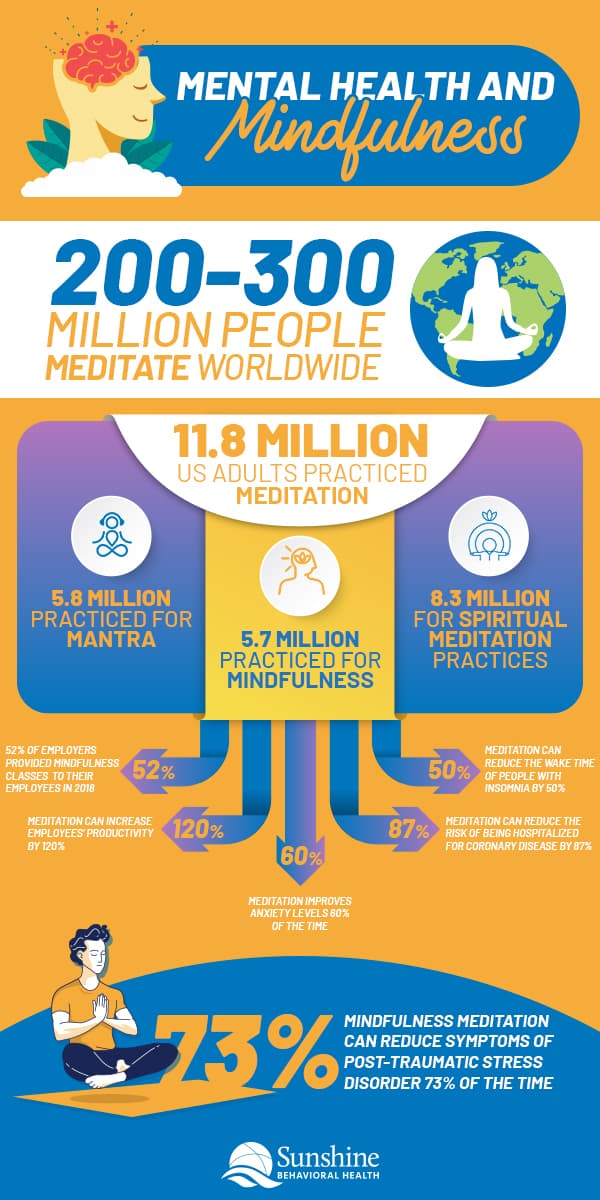
Efficient OCD treatment normally includes exposure and response avoidance (ERP), a therapy technique that helps people encounter been afraid situations while withstanding compulsive responses. For consuming problem presentations with OCD features, this might consist of exposures to been afraid foods, decreasing body monitoring actions, or enduring uncertainty around eating choices. The procedure is steady and customized, valuing each individual's readiness while testing avoidance patterns that preserve anxiousness.
Trauma TherapyCognitive-behavioral treatment for OCD aids individuals recognize the thought patterns that fuel obsessions. Learning to identify compulsive ideas without engaging with them with rituals confirms main to recovery. This metacognitive recognition-- the capability to observe thoughts without automatically thinking or acting on them-- stands for a critical skill that benefits both OCD and eating disorder recovery.
Numerous people with OCD and eating conditions also deal with perfectionism, viewing anything much less than full control as failure. This all-or-nothing reasoning includes treatment itself, with individuals sometimes thinking they should be "" perfect"" at healing. Treatment needs to address these perfectionistic criteria, helping clients establish self-compassion and tolerance for the untidy, nonlinear nature of recovery.
EMDR Intensives for Trauma-Based Consuming Disorders
Progressively, clinicians recognize that many eating disorders have origins in terrible experiences. Whether developmental injury, certain distressing occasions, or the build-up of negative experiences, unsettled injury frequently underlies the demand for control that eating disorders give. EMDR intensives offer a focused approach to refining these distressing structures, attending to the deeper vehicle drivers of disordered consuming.
EMDR intensives press treatment right into extensive sessions over days instead of weeks, enabling for more comprehensive processing. For eating problem therapy, this intensive layout can accelerate development by resolving numerous distressing memories or experiences in a concentrated timeframe. The strategy verifies specifically valuable for individuals who have actually finished conventional eating disorder treatment but continue fighting with underlying anxiousness or trauma-related triggers.
The connection between injury and eating disorders materializes in different ways. For some, disordered eating stands for an attempt to redeem control after experiences of powerlessness. For others, body discontentment connects to messages gotten throughout developmental years or particular distressing experiences. EMDR helps reprocess these memories and associated beliefs, reducing their emotional cost and permitting more flexible self-perception.
Integrating EMDR intensives with recurring eating condition therapy and nutritional support produces a detailed treatment method. While EMDR addresses underlying injury, simultaneous assistance aids people establish new coping systems and maintain recovery-oriented behaviors. This integrated strategy identifies that eating disorders serve features in individuals's lives, and long-term modification needs both refining what drove the problem and structure different means of taking care of distress.
Anxiousness Treatment as Foundation for Healing
Stress and anxiety underlies both consuming disorders and OCD, making anxiousness management abilities important for healing. Learning to tolerate unpredictability, take care of physical anxiety sensations, and respond to challenging emotions without considering problem behaviors represents core work in treatment. Stress and anxiety therapy gives these fundamental abilities while assisting people understand their distinct anxiousness patterns.
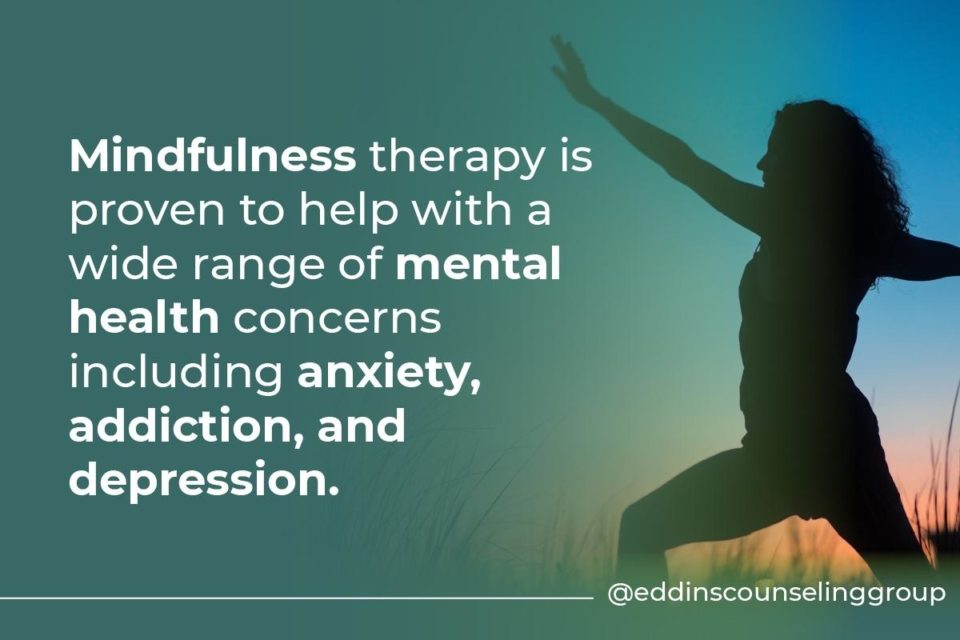
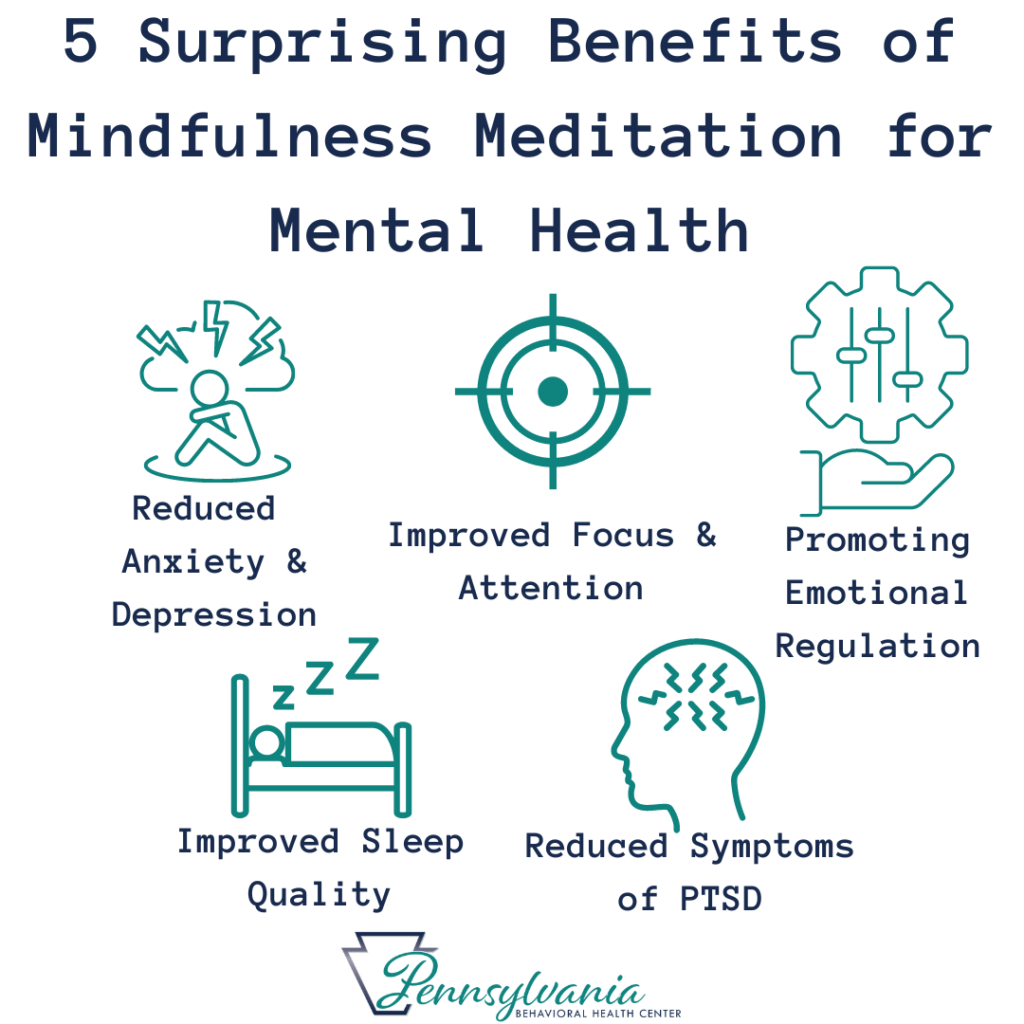
Mindfulness-based strategies show specifically useful for eating problem and OCD treatment. These methods help people observe thoughts and sensations without instantly reacting, creating space in between triggers and feedbacks. For a person with an eating disorder, mindfulness may include noticing anxiousness around food options without automatically limiting. For OCD discussions, it could indicate observing intrusive ideas without taking part in uncontrollable feedbacks.
Somatic strategies to anxiety treatment address the body-based elements frequently ignored in cognitive treatments. Several people with consuming disorders and OCD experience increased interoceptive recognition-- level of sensitivity to internal physical sensations-- which can drive anxiousness and compulsive habits. Learning to control the nervous system with breath job, progressive leisure, or other somatic techniques offers concrete devices for taking care of anxiety in real-time.
Finding Specialized Therapy for Enduring Recuperation
Healing from eating problems and OCD calls for specific therapy that deals with the distinct attributes of these conditions. Generic approaches may offer temporary alleviation however commonly miss out on the keeping devices that drive relapse. Therapists with particular training in consuming conditions, OCD, and trauma recognize these nuances and can provide targeted interventions that address origin rather than simply signs.
When seeking therapy, take into consideration specialists that integrate several evidence-based approaches as opposed to depending on a solitary technique. Eating disorders and OCD rarely respond to one-size-fits-all therapy, and adaptability in technique permits specialists to adjust interventions to individual needs. In addition, cooperation with other service providers-- such as dietitians, medical professionals, and psychoanalysts-- commonly shows vital for detailed care attending to all facets of healing.
[:specialty]For professional athletes, professional dancers, and nit-pickers dealing with consuming disorders or OCD, discovering a specialist that comprehends these specific contexts makes substantial distinction. Treatment that honors your values and objectives while dealing with unsafe patterns produces the structure for sustainable recovery that enhances as opposed to limitations your life and pursuits.

Table of Contents
Latest Posts
Eating Disorders and OCD: Specialized Treatment for Athletes, Dancers, and Nit-pickers
Combining Trauma Therapy for Comprehensive ED Recovery in Lynnwood, WA
An Introduction to Clinical Depression
More
Latest Posts
Eating Disorders and OCD: Specialized Treatment for Athletes, Dancers, and Nit-pickers
Combining Trauma Therapy for Comprehensive ED Recovery in Lynnwood, WA
An Introduction to Clinical Depression