Featured
Table of Contents
If you ever before discover on your own thinking, "I'm doing it wrong," attempt advising on your own that "there's no right or incorrect way of grieving."Additionally, there's no particular order for the phases of sorrow. Our first emotional response to loss might be rage and depression. This does not indicate that we're not regreting appropriately.
And our emotions can come in waves of strength. Lots of people get annoyed with themselves because they believe they're grieving also long.
It relies on the person, and it depends upon the loss. Attempt not to establish any target dates for on your own. And maintain in mind that there's never ever a time when we're completely "done" with grief; we just learn exactly how to make adjustments to the loss. The mourning process can be incredibly challenging, yet we do not need to go via it alone.
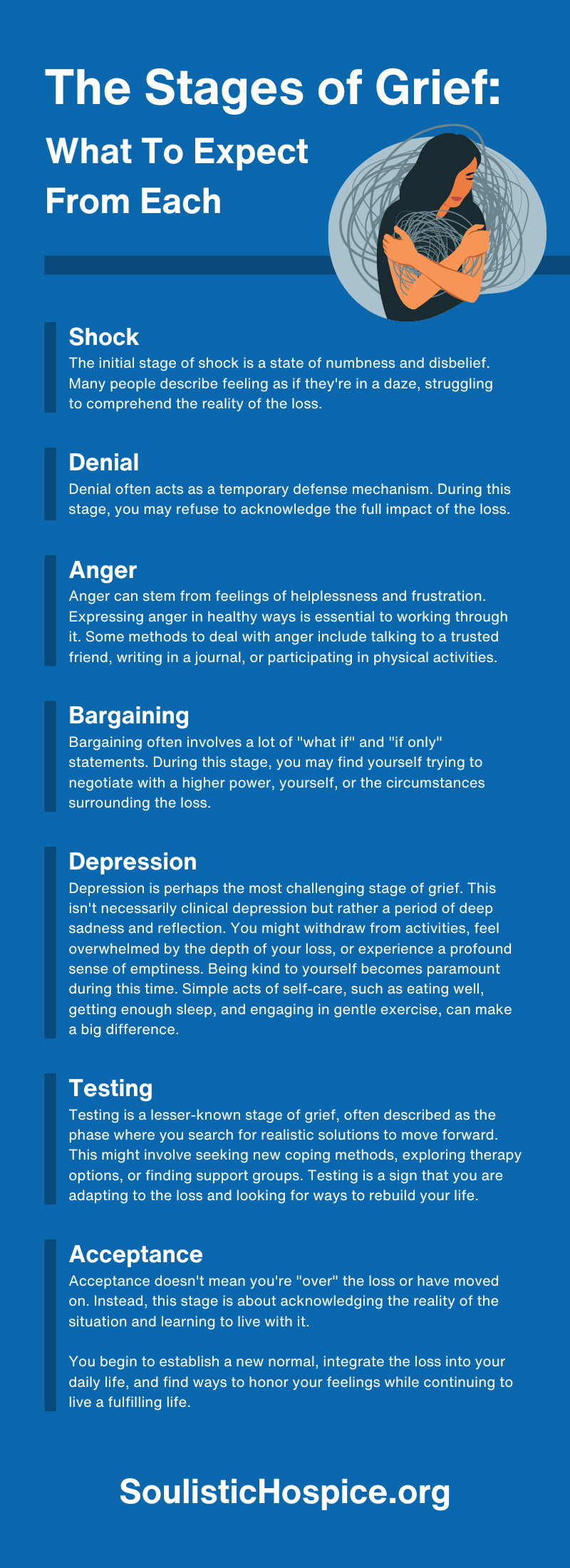
Grief is a complex procedure that varies from one person to another. The five phases of grief denial, rage, negotiating, depression, and approval are a practical framework for considering sorrow, however it doesn't indicate we'll go with every stage. Likewise, we can experience these facets of despair at various times, and they do not take place in one certain order.
Attachment Wounds and Career Patterns
Think it or not, all of these are some form of pain or the experience of coping with loss. As we work our method via experiences like these, we're likely to go through different stages or emotions from denial and anger to sadness and bitterness.
We'll also look at typical mistaken beliefs about sorrow and ideas for managing loss. Allow's dive in. Before we study the five phases of despair, it's helpful to comprehend what sorrow is. Basically, despair is the experience of handling loss. And it's experienced by each person in a distinctly personal way.
Pain can additionally come from any kind of modifications we experience in life, such as relocating to a brand-new city or college or transitioning right into a brand-new age team. The truth is that all of us experience a specific level of sorrow throughout our lives. While some losses are more extreme than others, they are no less real.
Actionable Tools for Beginning Your Recovery Path with IFS / Parts Work Therapy in the Area

Many researchers have dedicated years to researching loss and the feelings that accompany it. One of these professionals was Elisabeth Kubler-Ross, a Swiss-American psychoanalyst. She talked to over 200 individuals with terminal ailments and determined five common phases people experience as they face the truths of their approaching fatality: denial, temper, bargaining, clinical depression, and acceptance.
Although Kubler-Ross's job concentrated on pain reactions from individuals that are dying, a lot of these phases can be applied to despair throughout any type of kind of loss. It is very important to keep in mind that these phases are not direct, and they're not a prescription. Not every person experiences every phase, which's okay. We may seem like we approve the loss sometimes and afterwards relocate to one more phase of despair once more.
Why Specialized Treatment Transforms the Trauma Response in High-Achievers
Likewise, just how much time we spend navigating these phases differs from one person to another. It may take us hours, months, or longer to process and heal from a loss. Keeping that in mind, allow's take a more detailed check out each of the 5 phases of sorrow: For many individuals, denial or making believe the loss or modification isn't occurring is typically the first action to loss.
At some point, when we're regreting, we can begin the healing procedure by permitting the feelings and feelings we have actually refuted to resurface. Many individuals will also experience anger as part of their sorrow. According to Kubler-Ross, pain from a loss is often redirected and expressed as temper. In other words, anger is a method to conceal the many feelings and pain that we're bring as an outcome of the loss or modification.
Even though our reasonable brain recognizes they're not to criticize, our feelings are extreme and can quickly override rational reasoning. While we commonly think that temper is an adverse emotion and something to be avoided at all costs, it really serves a function and is a necessary component of healing.
Bargaining is a phase of grief that aids us keep hope during extreme emotional discomfort. It's an attempt to assist us restore control of a circumstance that has actually made us really feel incredibly prone and powerless. It's additionally another method to aid us postpone having to deal directly with the despair, complication, or pain.
Trauma-Informed Care for Physicians in Sacramento
Clinical depression is commonly compared to the "silent" stage of grief, as it's not as active as the temper and bargaining phases. This can cause extreme sensations of despair, misery, and despondence. Signs and symptoms of clinical depression can manifest themselves in different methods. For example, we might feel foggy, heavy, exhausted, confused or sidetracked.
Simply like the other phases of sorrow, depression is experienced in different methods. Instead, it's a natural and suitable action to despair.
Instead, For example, if we're regreting the fatality of an enjoyed one, we may be able to share our gratitude for all the wonderful times we invested with them. Or if we're going through a break up, we may say something like, "This really was the most effective point for me." In this phase, we might end up being a lot more comfy connecting to friends and family, and we could also make new partnerships as time takes place.
Here are three usual false impressions regarding regreting that we could think when we consider our very own or somebody else's method of grieving: Among one of the most usual misconceptions concerning grieving is that everyone undergoes it similarly. As we have actually developed, grieving is an unique journey that is various for everyone.
The Unique Pressures of Healthcare Professionals Accessing Treatment
"Moreover, there's no specific order for the stages of grief. Our first emotional reaction to loss could be anger and anxiety.
And our feelings can come in waves of strength. Lots of people get discouraged with themselves because they believe they're grieving too long.

Table of Contents
Latest Posts
Emotional Processing within Depth Psychology for Healing
Resolving Connection Trauma Via Family Therapy for Adult Children & Parents
Eye Movement Desensitization and Reprocessing in Treating Traumatic Memories through Child therapy
More
Latest Posts
Emotional Processing within Depth Psychology for Healing
Resolving Connection Trauma Via Family Therapy for Adult Children & Parents
Eye Movement Desensitization and Reprocessing in Treating Traumatic Memories through Child therapy